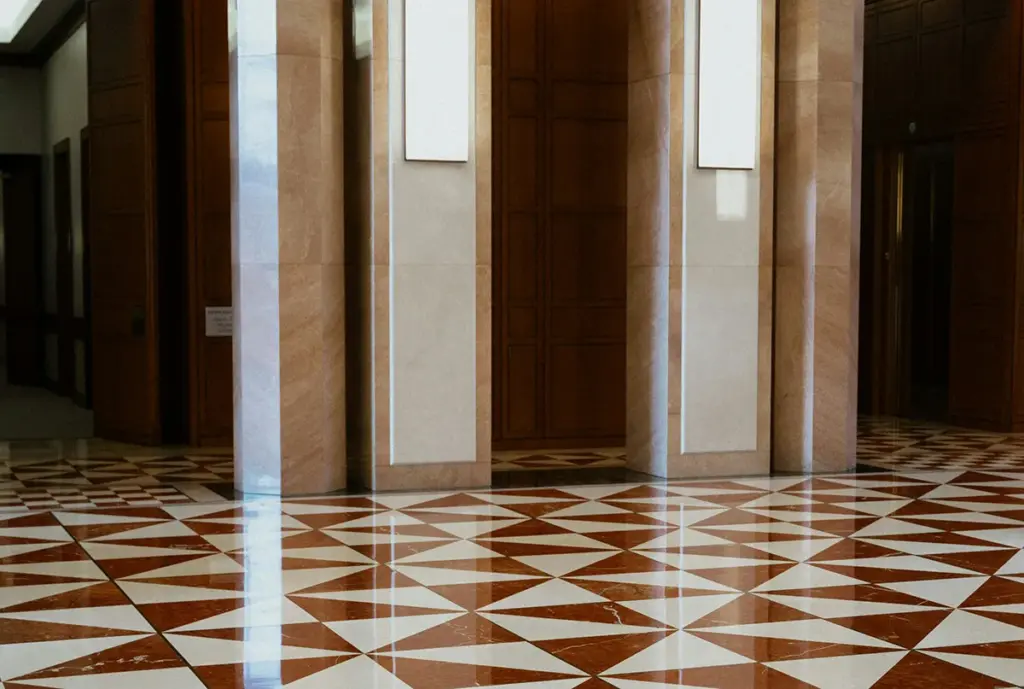
Slip Testing
We perform independent slip resistance testing to New Zealand standards, giving you peace of mind that your floor is safe and compliant.
Why floor safety matters
Slippery floors are one of the most common causes of injury in New Zealand. What seems like a minor slip can quickly turn into a serious accident, leading to pain, long recovery times, and loss of confidence in the space. Not only are slips hazardous to health, they pose a risk to businesses who may have failed to meet their compliance obligations.
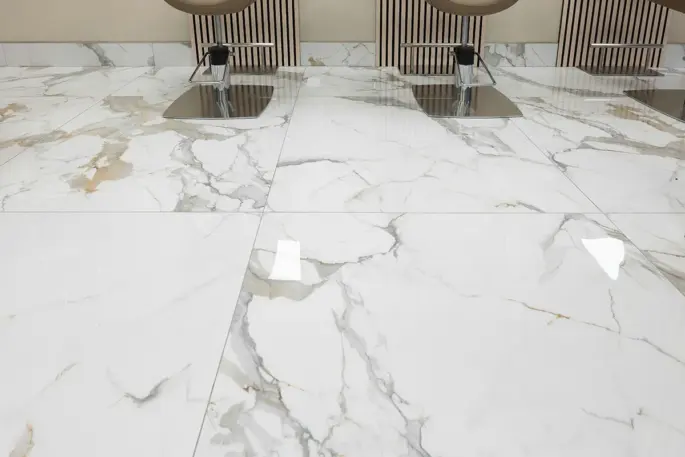
Tested to New Zealand standards
SlipSafe provides compliance testing using the Pendulum Test Method, the industry-recognised system for assessing slip resistance. Our testing covers both new and existing surfaces:
- NZS 4586 – Slip resistance of new pedestrian surfaces
- NZS 4663 – Slip resistance of existing pedestrian surfaces
All tests simulate real-world conditions, giving accurate results for wet, dry, and high-use environments.

When to test your floors
- Before opening a new build or renovation
- As part of workplace health and safety compliance
- After installing new flooring or coatings
- In high-risk environments such as bathrooms, kitchens, entries, foyers, ramps, and pool surrounds
- For annual safety audits and insurance requirements
The SlipSafe advantage
- Independent and compliant testing you can trust
- Certified documentation for compliance records
- Nationwide service across residential, commercial, and public spaces
- Backed by expert advice on how to make unsafe floors compliant
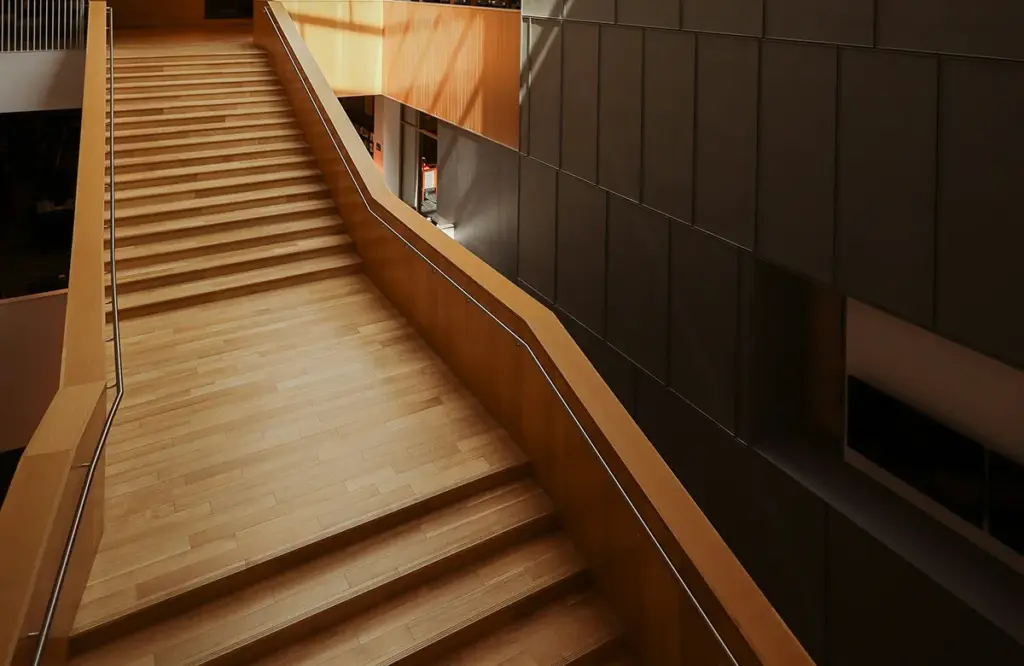
Wet Pendulum Test interpretation guide (NZ standards)
How to interpret your wet test report
Wet test results offer 5 possible outcomes:
– ‘V / P5’
– ‘W / P4’
– ‘X / P3’
– ‘Y / P2’
– ‘Z / P1’
The classification ‘Z / P1’ reflects a ‘very high’ risk of slipping when wet, ‘V / P5’ reflects a ‘very low’ risk of slipping when wet.
If the test result classification reported meets or exceeds the related classification from Table 1 below the test surface is meeting the relevant requirement (or standards).
Table 1
Pedestrian surface selection guide – Minimum pendulum recommendations for specific locations (HB197:1999)
| Location | Pendulum |
|---|---|
| 1 – External colonnade, walkways & pedestrian crossings | W / P4 |
| 2 – External ramps | V / P5 |
| 3 – Entry foyers hotel, office & public buildings – wet areas | X / P3 |
| 4 – Entry foyers hotel, office & public buildings – dry areas | Z / P1 |
| 5 – Shopping centre (excluding food court) | Z / P1 |
| 6 – Shopping centre food court | X / P3 |
| 7 – Internal ramps, slopes (greater than 2 degrees) – dry areas | X / P3 |
| 8 – Lift lobbies above external entry level | Z / P1 |
| 9 – Other separate shops inside shopping centres | Z / P1 |
| 10 – Other shops with external entrances – entry area | X / P3 |
| 11 – Fast food outlets, buffet food servery areas | X / P3 |
| 12 – Hospitals and aged care facilities – dry areas | Z / P1 |
| 13 – Hospitals and aged care facilities – ensuites | X / P3 |
| 14 – Supermarket aisles except fresh food areas | Z / P1 |
| 15 – Shop and supermarket fresh fruit & vegetable areas | X / P3 |
| 16 – Communal changing rooms | X / P3 |
| 17 – Swimming pool surrounds and communal shower rooms | W / P4 |
| 18 – Swimming pool ramps and stairs leading to water | V / P5 |
| 19 – Toilet facilities in offices, hotels, shopping centres | X / P3 |
| 20 – Undercover concourse areas of sports stadium | X / P3 |
| 21 – Accessible internal stair nosings (dry areas) – handrails present | X / P3 |
| 22 – Accessible internal stair nosings (wet areas) – handrails present | W / P4 |
| 23 – External stair nosings | W / P4 |
Table 2
Classification of pedestrian surface materials (NZS 4586:2004) Interpretation of the Wet Pendulum results (NZS 4663:2004)
| Pendulum mean BPN (Slider 96) | AS/NZS4663:2004 | Notional* contribution of the floor surface to the risk of slipping when water wet |
|---|---|---|
| >54 | V / P5 | Very low |
| 45–54 | W / P4 | Low |
| 35–44 | X / P3 | Moderate |
| 25–34 | Y / P2 | High |
| <25 | Z / P1 | Very high |
*The term ‘notional’ is used to highlight the need to consider all potential contribution factors to a slip incident.
SlipSafe compliance testing gives you confidence that every surface is safe, practical, and meets New Zealand’s strict safety standards.
Protect your people, protect your reputation, and stay compliant with SlipSafe.
Is your floor safe?
Our independent slip testing services determine just how slippery your floors are (whether wet or dry), so you can address any concerns with appropriate anti-slip treatments. Our independent slip testing services determine just how slippery your floors are (whether wet or dry), so you can address any concerns with appropriate anti-slip treatments.