January 27, 2026
The hidden cost of a slip: How safer floors could save millions
When was the last time you almost had a slip or a fall?
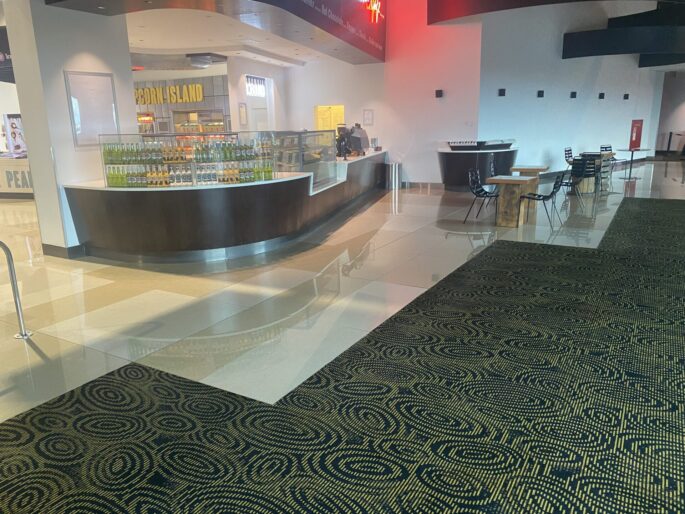
Perhaps it was a shiny tile in a café, a wet lobby at work, or a recently polished hallway in a public building. For a split second, you were off balance. Maybe you caught yourself, or maybe someone else didn’t.
That fleeting moment can quickly turn into a sprain, a twisted ankle, or something far more serious, changing a routine day into weeks of recovery. Slips and falls are more common than we like to think, and the consequences ripple far beyond the moment itself.
An invisible hazard
These incidents cost more than just a day or two off work. Accident Compensation Corporation (ACC) tallies the financial impact, and the wider economy feels it too. A single fall can trigger medical treatment, rehabilitation, lost productivity, and ongoing support, all of which add up to a significant burden. Prevention, on the other hand, is far less expensive and far more effective. Stopping an injury before it happens can save thousands of dollars and weeks of discomfort for someone you know.
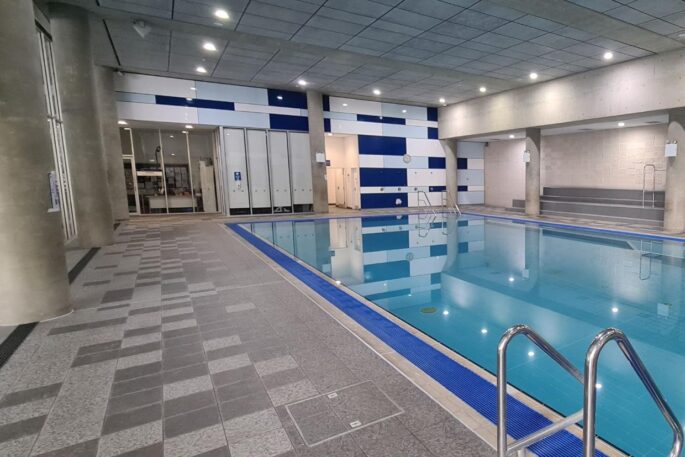
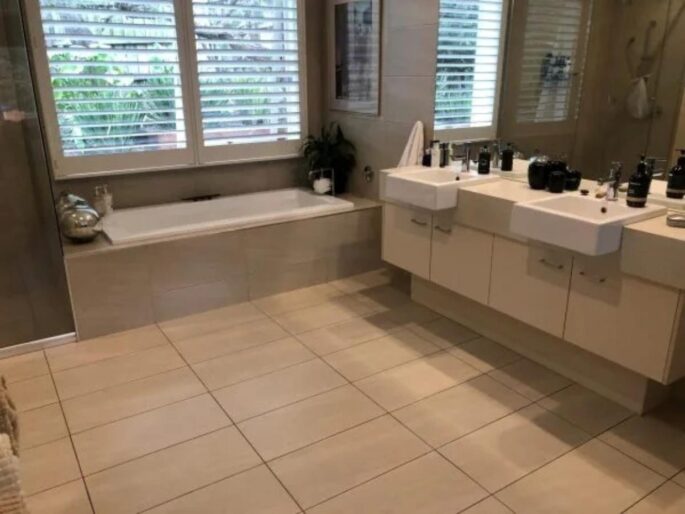
Even when floors look safe, hidden risks can be lurking. Polished concrete, glossy tiles, and recently cleaned surfaces are visually appealing, but they can become dangerously slick when wet or poorly maintained. To uncover these invisible hazards, experts test the slip resistance of surfaces. The science may sound technical, but the idea is simple: there are ways to measure how slippery a floor really is, and identifying problem areas allows property owners and managers to take action before anyone gets hurt.
Once risk spots are recognised, solutions are straightforward and practical. Anti-slip treatments, enhanced cleaning protocols, and specialised coatings can make a floor safer without changing how it looks or feels. These interventions may seem small, but they make a tangible difference, protecting people while helping businesses and councils meet health and safety responsibilities and reduce liability.
Prevention doesn’t stop at individual buildings. From schools and hospitals to transport hubs and local government offices, every environment has the potential to be safer. Organisations that actively assess and treat high-risk surfaces are helping communities stay injury-free while lowering long-term costs. For those in charge of public or commercial spaces, the message is clear: slips are rarely random accidents. They are predictable and preventable, and taking proactive steps benefits everyone who walks through those doors.
Ultimately, this is about more than compliance. It is about looking around and asking, “Could this space be safer? Could someone I know be at risk?” By paying attention to the small, often-overlooked details, we can reduce harm, protect lives, and create safer environments for everyone. Prevention is practical, effective, and achievable, and it starts with noticing what’s right under our feet.
Preventive action: a national opportunity
The message is simple: slips are predictable, not random. Taking a moment to look around your own workplace or public space can reveal hazards you may never have noticed. A wet floor by a doorway, a shiny tile in a lobby, or a recently mopped corridor can all be managed before they cause injury.
Industry guidance and expert support are available for those looking to take action. Early attention can prevent injuries, lower costs, and create safer environments for everyone who uses a space, from employees and customers to children and older adults.
Small steps make a big difference. Noticing the surfaces we walk on, thinking ahead about potential risks, and applying practical solutions means fewer accidents, less disruption, and safer communities.